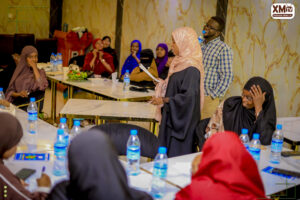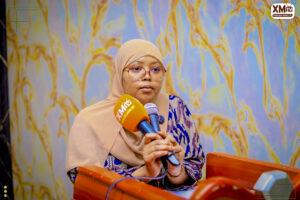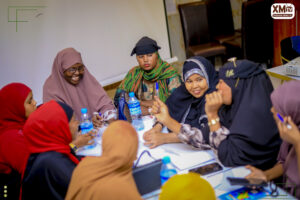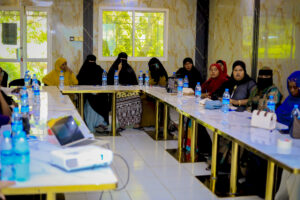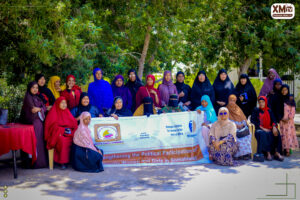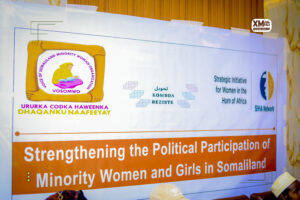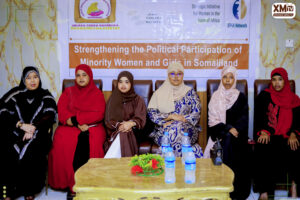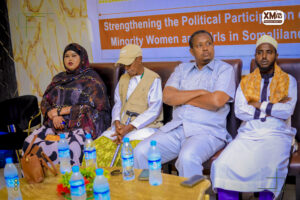
The Voice of Somaliland Minority Women Organization (VOSOMWO), in collaboration with the Uganda-based SIHA Network, convened a large-scale consultative meeting in Berbera, Sahil Region, to discuss the challenges facing women with political ambitions—particularly those from culturally and ethnically marginalized communities—and the systemic and cultural barriers limiting their political participation.
The meeting, held at Berbera Beach, brought together community leaders, women activists, political representatives, scholars, and government officials to examine the structural and cultural obstacles preventing minority women from fully participating in Somaliland’s political and governance systems.
The event was officially opened by Hibaaq Ahmed, Director General of VOSOMWO, who highlighted the organization’s long-standing commitment to promoting the rights and leadership of minority women. She noted that since its establishment in 2004, VOSOMWO has worked tirelessly to raise awareness, advocate for equal rights, and support socially and culturally marginalized communities across Somaliland.
“In the areas of employment, education, and social integration, we have worked very hard as an organization,” Ms. Hibaaq stated. She further emphasized that many students from culturally disadvantaged communities have received university support through VOSOMWO and are striving to overcome unemployment and social exclusion.
Explaining the purpose of the meeting, she said:
“The objective of today’s meeting is to examine the obstacles that prevent women from culturally disadvantaged communities from being represented in Somaliland’s politics and development processes. As we know, during the parliamentary and presidential elections, no woman from these communities contested for office.”
The meeting also featured contributions from scholars, women leaders, and other distinguished guests, who discussed the barriers facing women in political participation and explored possible solutions.
Among the speakers was the Secretary of the Sahil Region, Mr. Nuux, who stated:
“This issue has been present for a long time. Many proposals have been made, and practical steps can be taken without prolonged discussions.”
He further noted that women in Somaliland in general remain underrepresented in politics, not only minority women. He pointed out that entrenched political structures and informal power systems influence candidate selection and electoral outcomes.
Also addressing the gathering was Ms. Zaynab Osman, Chairwoman of the Women’s Wing of the Waddani Party in Sahil Region, who encouraged women from culturally marginalized communities to unite and organize collectively.
“Through unity and solidarity, women can achieve the political representation they aspire to,” she emphasized.
Traditional leadership was also represented at the meeting. Sultan Mohamed, a respected traditional leader from the Sahil Region, expressed his appreciation for VOSOMWO’s efforts:
“First, we thank God, and secondly, we thank the Voice of Somaliland Minority Women Organization (VOSOMWO) for organizing this important discussion.”
While acknowledging that successive governments in Somaliland have made positive contributions, Sultan Mohamed also recognized that persistent challenges continue to hinder full inclusion and equality for marginalized communities.
Conclusion
The meeting concluded with a shared commitment to continue dialogue and advocacy efforts aimed at increasing the political participation of minority women. Participants emphasized the need for concrete actions, including political party reforms, community awareness, leadership development, and stronger solidarity among women.
Through initiatives such as this consultative forum, VOSOMWO and SIHA Network reaffirm their commitment to advancing inclusive governance and ensuring that minority women have a meaningful voice in Somaliland’s political future.